
If you’ve recently typed “pravi celer” into Google and wondered why it shows up in so many searches, you’re not alone. This phrase has been popping up across different platforms, and it has a surprisingly interesting meaning depending on where you’re from and how you use it. At first glance, it looks like a simple term. But once you dig deeper, you realize it touches language, culture, food, health, and even online trends.
In many cases, pravi celer is used to describe real, authentic celery or true celery in a culinary sense. In some languages, especially in Balkan and Slavic regions, the word “pravi” often means “real” or “true.” Meanwhile, “celer” refers to celery or celeriac. So when someone says pravi celer, they may be talking about the real version of celery, the one that has the right taste, smell, texture, and quality.
But there’s more to it than just vegetables. The phrase has also gained traction because of health trends, especially celery juice, detox routines, and “natural remedy” content online. People love searching for ingredients that feel clean, simple, and powerful. And celery has that “green hero” vibe. It’s crunchy, refreshing, affordable, and widely available, which makes it easy to turn into a wellness symbol.
This guide will break down everything in a simple, helpful way. We’ll explore what pravi celer means, why it’s trending, how to use it, how to buy it, what benefits it may offer, and what myths you should avoid. By the end, you’ll not only understand the phrase but also know exactly how to use pravi celer in your everyday life.
What Does Pravi Celer Mean?
The meaning of pravi celer becomes clear once you look at the words separately. The word “pravi” commonly means “real,” “authentic,” or “true” in several South Slavic languages. It’s the kind of word people use when they want to separate the real thing from the fake thing. Like saying “real honey” instead of “sugar syrup,” or “real leather” instead of plastic.
The second word, “celer,” refers to celery. But here’s the interesting part: in many European countries, celer doesn’t always mean the celery sticks most people know from Western salads. It can also refer to celeriac, the root vegetable that looks like a rough, knobby ball. In some households, especially in traditional cooking, celeriac is actually the more valued form of celery because it has deeper flavor and works beautifully in soups and stews.
So when someone says pravi celer, they might mean one of two things. First, they could mean celery that is truly fresh, grown properly, and not weak or flavorless. Second, they could mean the correct type of celery for a recipe, such as celeriac instead of celery stalks. This is especially common in traditional Balkan recipes where the “real celery” for soup is often the root.
The phrase also gets used in markets and home kitchens as a quality marker. You’ll hear people say things like, “This is pravi celer, not the watery one.” That tells you it’s not just about the vegetable. It’s about authenticity, tradition, and taste. In short, pravi celer means celery that is genuine, strong in flavor, and worth cooking with.
Pravi Celer: Background and Cultural Context
Food words often carry culture inside them, like tiny time capsules. Pravi celer is one of those phrases. In many Balkan households, celery isn’t just a crunchy snack. It’s a foundation ingredient. It goes into soups, sauces, meat dishes, and slow-cooked meals. It’s part of the kitchen identity. So when someone calls something pravi celer, they’re usually saying it has the “real” smell and flavor that reminds them of home cooking.
In traditional cooking, celery is treated like a quiet hero. It doesn’t scream for attention the way garlic does, but it builds depth. It makes broth taste richer, makes stew taste rounder, and makes soups feel complete. This is why older generations often care a lot about celery quality. If it’s weak, the dish becomes bland. If it’s strong and fresh, it lifts the entire recipe. That’s the spirit behind pravi celer.
There’s also a cultural element in how people talk about food authenticity. Many regions have strong opinions about what counts as “real.” Real cheese, real bread, real smoked meat, and yes, real celery. It’s not always about organic labels or fancy packaging. It’s about smell, taste, texture, and how the ingredient performs when cooked. A good celery root should smell earthy and herbal. A good celery stalk should snap cleanly and release aroma instantly.
Online, these cultural phrases travel fast. Someone posts a recipe video, and the caption includes pravi celer. Another person searches it, then it spreads further. That’s how simple phrases become trending keywords. It’s like a small village word suddenly walking into a big city. The internet loves authenticity, and pravi celer sounds authentic even if you don’t know the language.
Why Is Pravi Celer Trending Online?
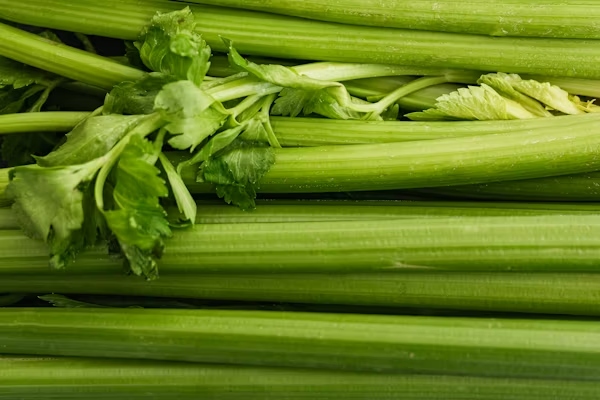
The internet has a funny way of turning simple things into mysteries. One day, celery is just celery. The next day, people are asking, “What is pravi celer?” and it becomes a trending phrase. This happens for a few reasons, and the first is curiosity. When a phrase appears in a recipe video or a comment section, people want to understand it. They don’t want to miss out. Nobody likes feeling like they’re not in the loop.
Another reason is the rise of food content online. Cooking videos are everywhere now, from TikTok to YouTube Shorts to Instagram reels. Many of these videos feature traditional dishes, especially from Eastern Europe and the Balkans. These recipes often include ingredients that don’t translate perfectly into English. So instead of saying “celery root,” the creator says celer. Instead of saying “real,” they say pravi. The phrase stays in its original form, and suddenly thousands of viewers see it.
The third reason is health culture. Celery has become one of those “clean eating” symbols. People love celery juice, detox soups, green smoothies, and crunchy low-calorie snacks. When you mix that with the word pravi, which implies authenticity, it becomes even more appealing. People start thinking, “Is pravi celer better for health? Is it a special type of celery? Is it a superfood?”
The truth is, it’s not magic. But it is meaningful. It represents quality and tradition. It also shows how global the internet has become. A phrase from a small region can become a worldwide search trend in weeks. That’s why pravi celer is trending. It’s a mix of culture, food, wellness, and online curiosity, all packed into two simple words.
Pravi Celer in Food and Cooking Context
In cooking, pravi celer usually points to celery that actually tastes like celery. And that might sound obvious, but if you’ve ever bought celery that’s watery, weak, and almost flavorless, you know the difference is real. Celery should smell fresh and herbal. It should bring a slightly peppery, earthy flavor. And it should feel crisp, not rubbery.
In many traditional cuisines, celery isn’t used as a snack. It’s used as a flavor builder. It joins onions and carrots as part of the classic base for soups and stews. In French cooking, it’s part of mirepoix. In Balkan cooking, it’s part of the soup base that almost every household knows. The celery root is especially valued because it gives deeper aroma when cooked slowly.
If you’re using celery in soups, pravi celer can mean you should choose the root version rather than just the stalks. Root celery has a stronger, richer taste that holds up in long cooking. Stalk celery is lighter and works better in fresh dishes, salads, and quick sautés. Both are useful, but they play different roles.
There’s also the emotional side of it. Food isn’t just chemistry. It’s memory. When someone says pravi celer, they might mean the celery that tastes like the one their grandmother used. The one that makes soup smell like childhood. That’s why this phrase matters in cooking. It’s not only about ingredients. It’s about flavor identity.
So if you want to cook like the traditional recipes intend, you should learn how to choose the right type. A strong celery root can transform a broth. A fresh celery stalk can add crunch and brightness. Both can be pravi celer if they’re fresh, properly grown, and full of aroma.
Types of Celer (Celery) Explained
Celery comes in more forms than most people realize. The most common type is the familiar green celery stalks. These are the crunchy sticks people dip into hummus or peanut butter. They’re refreshing, low-calorie, and easy to use. But they’re not the only kind of celery that matters.
The second type is celeriac, also called celery root. This is the rough-looking root vegetable that many people ignore because it looks strange. But once peeled, it reveals a creamy, firm interior. Celeriac has a strong celery flavor with a nutty, earthy twist. It’s fantastic for soups, mashed dishes, salads, and roasted sides. In many traditional recipes, celeriac is actually considered the “real” celery for cooking.
The third type is wild celery. This is less common in supermarkets, but it exists in some regions. Wild celery tends to have a stronger aroma and a more intense herbal taste. It’s not as mild or sweet as cultivated celery. It’s the kind of ingredient people either love or find too strong.
Finally, there are different quality levels within each type. Some celery is grown fast and watered heavily, which makes it look big but taste weak. Other celery is grown slower, with stronger aroma and tighter fibers. That’s the difference between celery that’s just “there” and celery that actually improves your dish.
So which one is pravi celer? The answer depends on the context. For soups and stews, many people consider celeriac the true version. For salads and snacks, stalk celery is the standard. But in both cases, the “pravi” part comes down to quality, freshness, and flavor strength.
Nutritional Value of Pravi Celer
One reason celery has stayed popular for so long is its nutritional profile. It’s not packed with calories, but it is packed with hydration and micronutrients. Celery is mostly water, which makes it refreshing and light. But it also contains fiber, which supports digestion and helps you feel full longer.
Celery provides vitamins like Vitamin K, which plays a role in blood clotting and bone health. It also contains small amounts of Vitamin C, potassium, folate, and other nutrients. Celeriac has a different profile. It contains more carbohydrates and calories than celery stalks, but it also offers more fiber and minerals. That makes it a stronger ingredient for people who want something hearty but still healthy.
One of the most underrated benefits of celery is that it’s a “support ingredient.” It’s not usually the main star of a meal, but it helps the entire dish become healthier. Adding celery to soups and stews increases fiber and adds flavor without needing extra salt. That’s a quiet nutritional win.
Another interesting aspect is antioxidants. Celery contains plant compounds that may support the body’s natural defense systems. It’s not a miracle cure, but it’s part of a balanced, nutrient-rich diet. The same goes for celeriac. Its earthy flavor comes with plant compounds that add variety to your nutrient intake.
If you think of your diet like a team, celery is not the loud captain. It’s the reliable player that makes everything run smoother. That’s why pravi celer matters. If you choose celery that is fresh and strong, you’re getting more than crunch. You’re getting real nutritional value.
Health Benefits of Pravi Celer
Celery is often associated with digestion, hydration, and detox culture. Some of that is hype, but some of it has a real foundation. Because celery is high in water and contains fiber, it naturally supports hydration and healthy digestion. If you’re someone who struggles to eat enough vegetables, celery can be a great starting point because it’s easy to chew, easy to add to meals, and not too heavy.
Celery may also support heart health indirectly. It’s low in calories and can replace salty snacks. It also contains potassium, which helps balance fluids in the body. Many people use celery in soups as a way to reduce salt while still keeping flavor. That alone can make a big difference for overall health habits.
Another benefit is its refreshing effect. Celery is one of those vegetables that feels “clean.” It’s crisp, it has a mild herbal taste, and it pairs well with lemon, cucumber, and other light ingredients. That’s why it shows up in smoothies and detox waters. Even if detox claims are exaggerated, the habit of drinking more water and eating more vegetables is still positive.
Celeriac has benefits too. It’s more filling and provides more fiber per serving. It’s also a great option for people who want a low-starch alternative to potatoes. Mashed celeriac is a classic example. It has a creamy texture but a more complex flavor.
However, the best way to think about celery benefits is this: it supports your health by being a simple, consistent vegetable. It’s not a magic medicine. But it can help you build a healthier routine, and that’s what makes it powerful.
Pravi Celer Juice: Hype vs Reality
Celery juice became a worldwide trend because it was marketed as a health miracle. People claimed it could cure everything from skin problems to digestive issues. That kind of hype is tempting, especially when the ingredient looks so harmless. But it’s important to separate what celery juice can realistically do from what social media claims.
Celery juice is mostly water with some vitamins, minerals, and plant compounds. It can be hydrating, and it can be a refreshing way to start your day. If you drink it instead of sugary drinks, that’s a win. If it helps you add more vegetables to your routine, that’s also a win. But it won’t replace medical treatment or cure chronic conditions on its own.
One downside is that juicing removes much of the fiber. Fiber is one of the biggest benefits of eating celery whole. Without it, you lose the digestion support and the fullness effect. That’s why many nutrition experts suggest eating celery as part of meals instead of relying only on juice.
If you still enjoy celery juice, the best approach is balance. Don’t treat it like medicine. Treat it like a healthy drink. Also, make sure you’re using fresh celery. That’s where pravi celer matters. A weak, old celery stalk will produce watery juice with less flavor and less satisfaction.
In short, celery juice can be a nice habit, but it should be part of a bigger healthy lifestyle. It’s a tool, not a cure.
How to Choose Fresh Pravi Celer
Choosing pravi celer is all about paying attention to small details. For celery stalks, look for firm, crisp stems that snap easily. The leaves should be green and fresh, not yellow or wilted. The smell should be clean and herbal. If celery has almost no smell, it’s usually weaker in flavor.
For celeriac, the rules are different. The root should feel heavy for its size. It should not be soft or spongy. Some surface roughness is normal, but avoid roots with deep cracks, mold, or wet spots. When you cut it, it should look creamy white, not brown and mushy.
Another tip is to trust your nose. Good celery has a signature smell. It’s fresh, sharp, and slightly peppery. That smell is what gives soups and broths their depth. If you want real flavor, you want real aroma.
Also, consider season and source. Farmer’s markets often have stronger celery because it’s fresher and grown with more attention. Supermarket celery can be good too, but quality varies. If you find a brand or supplier that consistently offers strong celery, stick with it.
Pravi celer isn’t always the biggest celery. Sometimes the best celery is smaller but more aromatic. It’s like coffee beans. Bigger doesn’t always mean better. The best version is the one that delivers flavor, not just appearance.
How to Store Pravi Celer Properly
Storing celery correctly can make the difference between crunchy freshness and sad, limp sticks. For celery stalks, the best method is to keep them in the fridge wrapped in foil or in a sealed container with a bit of moisture control. Some people store celery in water, but that can sometimes make it waterlogged. Foil wrapping is a popular trick because it keeps it crisp longer.
If you’re storing celeriac, keep it unpeeled in the fridge. It lasts longer than celery stalks because it’s a root vegetable. Once peeled, it should be stored in an airtight container, and if cut, it can be kept in water with lemon juice to prevent browning.
Freezing is possible, but celery becomes soft after thawing. Frozen celery works best in soups and stews, not in salads. If you plan to freeze it, chop it first and store it in freezer bags. Celeriac can also be frozen after blanching, but it’s best used fresh for texture.
The biggest storage mistake is leaving celery exposed in the fridge. It dries out quickly. When it dries out, it loses the snap and the aroma. And aroma is part of what makes it pravi. So treat it like a fresh herb, not like a long-life vegetable.
Good storage also saves money. Celery is affordable, but wasting it adds up. If you store it properly, you can use it across multiple meals and get maximum value from your purchase.
Best Ways to Use Pravi Celer in Recipes
Pravi celer shines in both simple and complex recipes. For everyday cooking, it’s perfect for soups. Chop it with onions and carrots, sauté it lightly, then add broth. That base creates a deeper, more comforting flavor than using just salt or seasoning. This is why celery is considered a foundation ingredient in many cuisines.
Celery also works beautifully in salads. Thin slices add crunch without overpowering other ingredients. It pairs well with apples, walnuts, yogurt dressings, and lemon. Celeriac is famous in classic European salads too, especially when shredded and mixed with mustard and mayo for a creamy, tangy dish.
In juices and smoothies, celery adds freshness. If you’re making a green drink, it balances sweet fruits like apple and pineapple. But it’s also great in savory smoothies with cucumber and herbs. The key is using fresh celery so the drink tastes clean rather than bitter.
Celeriac is amazing roasted. When roasted, it becomes sweet and nutty while still holding its herbal celery character. You can cube it, toss it with oil and seasoning, and roast it like potatoes. You can also mash it for a low-starch side dish.
The best part is that celery is flexible. It can be the supporting actor or the star. But when it’s pravi celer, it always brings flavor, aroma, and depth.
Possible Side Effects and Warnings
Celery is safe for most people, but it’s still important to mention a few cautions. Some individuals have celery allergies, and these can be serious. In certain regions, celery is considered a major allergen. If you notice itching, swelling, or breathing difficulty after eating celery, you should avoid it and seek medical advice.
Another consideration is excessive consumption. Drinking large amounts of celery juice daily can cause digestive discomfort in some people. Celery contains natural compounds that may irritate sensitive stomachs when consumed in high volume, especially on an empty stomach.
Celeriac is also generally safe, but people with kidney issues should be careful with any dietary changes involving high vegetable intake. This isn’t to scare anyone, but to encourage balance. Celery is a healthy food, but no single food should become your entire wellness plan.
Pregnant individuals should also be cautious about extreme detox routines involving celery juice. Eating celery in normal food amounts is fine for most people, but aggressive “cleanse” routines are not always recommended.
The best rule is simple: enjoy pravi celer as part of a balanced diet. Use it in meals, not as a cure. That’s how you get the benefits without unnecessary risks.
Final Thoughts: Why Pravi Celer Matters
Pravi celer might look like just two words, but it carries a lot of meaning. It represents authenticity in food, tradition in cooking, and quality in ingredients. It also shows how culture and language can travel online, turning everyday phrases into trending searches. When you understand it, you realize it’s not just about celery. It’s about choosing the real thing.
From soups and stews to salads and juices, celery plays a valuable role in kitchens worldwide. The difference between weak celery and pravi celer is the difference between a dish that tastes flat and a dish that feels alive. The aroma, the snap, the depth of flavor, all of that matters. And it’s something anyone can learn to recognize.
Celery is also a great reminder that health doesn’t always come from complicated supplements or expensive trends. Sometimes, it comes from simple vegetables, cooked well and eaten consistently. Whether you prefer celery stalks or celeriac, the best approach is freshness, balance, and variety.
So the next time you see the phrase pravi celer in a recipe or a comment, you’ll know exactly what it means. It’s the celery that tastes right, smells right, and feels real. And honestly, that’s a pretty good goal for any ingredient.
FAQs
What does “pravi celer” mean in English?
It usually means “real celery” or “authentic celery,” often referring to fresh, strong-flavored celery used in cooking.
Is pravi celer the same as celeriac?
Sometimes yes. In many traditional recipes, pravi celer may refer to celery root (celeriac), especially for soups and stews.
What are the health benefits of pravi celer?
It supports hydration, digestion, and adds vitamins and minerals to meals, especially when eaten whole with fiber.
Can I drink pravi celer juice every day?
You can, but moderation is best. Whole celery offers more fiber, and too much juice may cause stomach discomfort for some people.
How do I know if celery is fresh and real?
Fresh celery should snap easily, smell strong and herbal, and have crisp stalks with bright green leaves.
Also Read: pyntekvister
