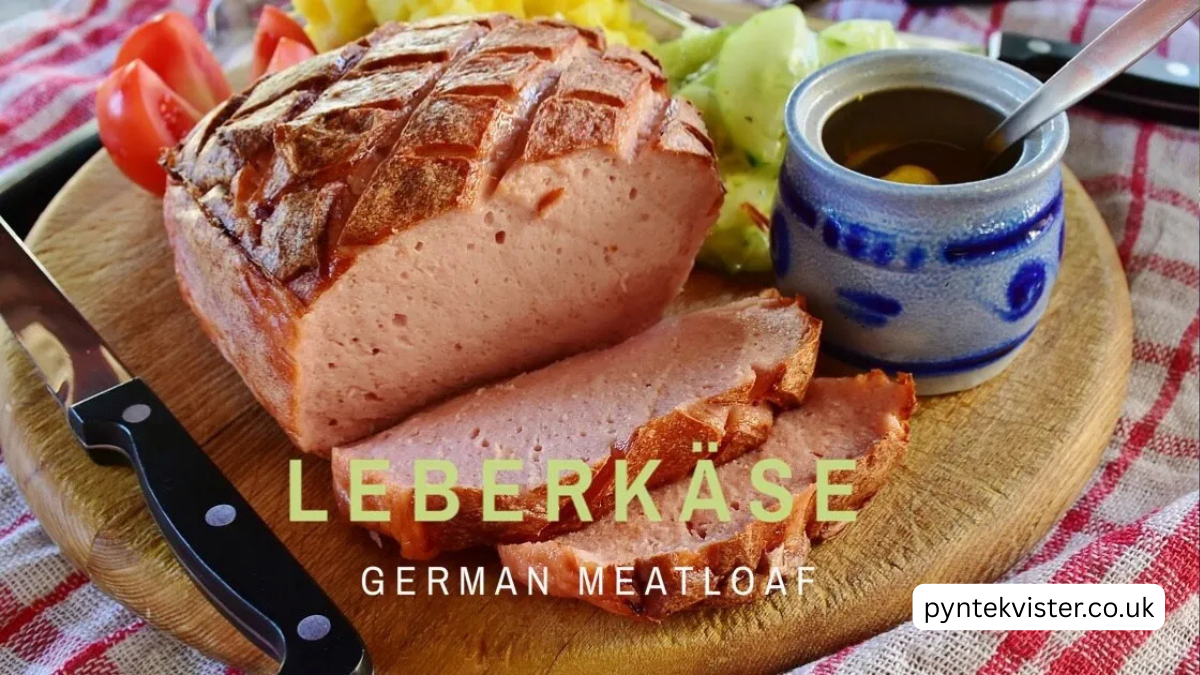

Few foods represent Central European comfort cuisine as completely as leberkase, a savory baked meat specialty that blends culinary craftsmanship, regional identity, and everyday practicality. Found in bakeries, butcher shops, beer gardens, and home kitchens across Bavaria and Austria, this iconic dish bridges the gap between sausage-making tradition and hearty street food.
At first glance, it may resemble a meatloaf or pâté, yet its preparation, texture, and cultural significance make it entirely unique. This comprehensive guide explores its origins, ingredients, cooking techniques, variations, cultural meaning, and modern adaptations, offering readers an authoritative understanding of why leberkase remains one of Europe’s most beloved comfort foods.
What Is Leberkase?
Leberkase is a finely ground mixture of beef, pork, bacon, spices, and ice that is emulsified into a smooth paste before being baked in a loaf pan until a caramelized crust forms on top. The result is a sliceable meat product with a springy texture somewhere between sausage and terrine.
Despite its name translating loosely to “liver cheese,” traditional Bavarian versions typically contain neither liver nor cheese. The name reflects historical linguistic evolution rather than ingredients, a fact that often surprises newcomers encountering leberkase for the first time.
Origins and Historical Development
The roots of this dish trace back to eighteenth-century southern Germany, where urban butchers sought ways to preserve meat while creating affordable, filling meals. Advances in grinding and emulsification techniques allowed producers to achieve a uniform texture that distinguished it from rustic meat preparations.
Historical records suggest royal court kitchens helped popularize the recipe, refining spice blends and baking methods. Over time, leberkase spread from elite dining tables into everyday markets, eventually becoming a staple of working-class lunches and regional identity.
Regional Identity and Cultural Meaning
In Bavaria, food traditions often serve as markers of local pride, and this dish occupies a special cultural position. It appears at festivals, casual gatherings, and quick weekday meals, symbolizing both comfort and community.
The cultural significance extends beyond taste. Ordering a warm slice in a bakery represents a shared ritual that connects generations, reinforcing how leberkase functions as both nourishment and social experience.
Ingredients and Flavor Profile
Traditional recipes rely on high-quality pork shoulder, beef trimmings, and back fat combined with curing salt, marjoram, white pepper, and garlic. Ice is added during mixing to maintain temperature and create the characteristic emulsified texture.
The flavor is mild yet deeply savory, balancing saltiness with subtle spice. Unlike strongly seasoned sausages, leberkase emphasizes meat purity, allowing texture and aroma to play central roles in the eating experience.
Why Texture Matters So Much
Texture defines success more than seasoning. Proper emulsification produces a smooth, cohesive structure that slices cleanly without crumbling while remaining juicy and elastic.
Achieving this consistency requires precise temperature control. If the mixture warms too quickly, fat separates, resulting in a grainy loaf rather than the signature silky interior expected from authentic leberkase.
Traditional Preparation Techniques
Butchers traditionally grind meat multiple times before blending it in specialized cutters that whip the mixture into a fine paste. The process incorporates air, improving structure and mouthfeel.
The mixture is then baked slowly in rectangular pans. High initial heat encourages crust formation, while gentle finishing temperatures cook the interior evenly without drying it out.
Baking and the Signature Crust
One of the most recognizable features is the browned top crust, often referred to as the “Kruste.” This layer forms through Maillard reactions that intensify flavor and add slight crispness.
Many enthusiasts consider the crust the best part. Bakeries frequently time batches so customers can purchase slices shortly after baking, when contrast between crust and interior is at its peak.
Common Variations Across Regions
Different regions adapt recipes based on local preferences. Some Austrian versions incorporate cheese cubes, while others introduce herbs or smoked elements.
Modern butcher shops experiment with chili peppers, wild garlic, or specialty meats. These variations maintain tradition while allowing innovation that keeps leberkase relevant to contemporary tastes.
How It Differs From Meatloaf
Although visually similar to meatloaf, the preparation methods differ significantly. Meatloaf relies on binders like breadcrumbs or eggs, whereas this dish uses protein emulsification for structure.
The result is firmer, smoother, and more sliceable than typical meatloaf. These differences explain why culinary professionals classify leberkase closer to sausage than baked ground meat dishes.
Street Food Culture and Everyday Eating
In Bavaria, one of the most popular ways to enjoy it is inside a crusty bread roll with sweet mustard. This simple sandwich provides a warm, satisfying meal sold at bakeries and market stalls.
Street food popularity stems from convenience and affordability. Workers, students, and travelers alike rely on leberkase sandwiches as quick yet comforting sustenance.
Pairing With Mustard and Bread
Sweet Bavarian mustard complements the savory richness by adding mild sweetness and acidity. The pairing balances fat content and enhances overall flavor complexity.
Bread choice also matters. Kaiser rolls or rustic rye breads provide structure and texture contrast, turning a simple slice into a complete culinary experience.
Beverage Pairings and Beer Culture
Beer plays an essential role in traditional serving culture. Light lagers and wheat beers cleanse the palate while amplifying savory notes.
Non-alcoholic options such as apple spritzers or mineral water also work well, highlighting how leberkase adapts to both festive and everyday settings.
Nutritional Overview and Considerations
As a protein-rich food, it provides significant energy and satiety. However, fat and sodium levels mean moderation remains important for balanced diets.
Modern producers increasingly offer leaner formulations and reduced-sodium options, reflecting evolving consumer awareness about health and nutrition.
Home Cooking Versus Butcher Preparation
Making it at home requires specialized equipment like a food processor capable of achieving fine emulsification. Precision becomes essential to replicate professional results.
Many home cooks still attempt recipes for authenticity and creative control. Successfully preparing leberkase from scratch often becomes a rewarding culinary milestone.
Ingredients Comparison Table
| Element | Traditional Version | Modern Variation | Home Cooking Adaptation |
|---|---|---|---|
| Meat Base | Pork & beef | Turkey or chicken blends | Custom combinations |
| Texture Method | Professional cutter | Industrial mixers | Food processor |
| Seasoning | Marjoram, pepper | Chili, herbs | Adjustable spices |
| Fat Content | Higher for flavor | Reduced-fat options | Controlled manually |
| Serving Style | Bakery slice | Gourmet sandwich | Family meal |
This comparison highlights how the dish evolves while preserving core culinary principles.
Role in Bavarian Festivals
Beer festivals and local celebrations frequently feature large trays served alongside pretzels and pickles. Its hearty nature suits long social gatherings.
Festival vendors rely on consistent flavor and quick preparation, making leberkase ideal for feeding large crowds efficiently without sacrificing quality.
Restaurant Interpretations
Modern chefs reinterpret the dish through plating techniques and ingredient upgrades. Some serve it with artisanal sauces or seasonal vegetables.
These adaptations demonstrate culinary flexibility. Even fine-dining establishments embrace leberkase as a nostalgic reference point elevated through contemporary presentation.
Culinary Misconceptions Explained
A common misconception is that the dish contains liver due to its name. In most Bavarian versions, liver is absent entirely.
Another misunderstanding involves assuming it is processed food. Traditional preparation relies on fresh ingredients and skilled craftsmanship rather than industrial shortcuts.
The Science Behind Emulsified Sausages
Protein extraction during mixing allows fat and water to bind, forming a stable matrix. This scientific principle explains the smooth consistency.
Temperature management remains critical throughout processing. Skilled butchers understand that even small deviations can affect final texture dramatically.
Modern Food Trends and Revival
Interest in heritage foods and artisanal butchery has renewed appreciation for traditional recipes. Younger consumers increasingly seek authentic culinary experiences.
As a result, leberkase has gained international recognition beyond German-speaking regions, appearing in specialty delis and global food festivals.
Vegetarian and Alternative Versions
Plant-based adaptations use legumes, mushrooms, or textured proteins to recreate texture and umami flavor. These versions appeal to evolving dietary preferences.
While purists debate authenticity, innovation ensures broader accessibility. Alternative recipes demonstrate how culinary traditions can adapt without losing identity.
Storage, Reheating, and Leftovers
Proper storage involves refrigeration and airtight wrapping to maintain moisture. The loaf reheats well in ovens or skillets without losing structure.
Leftover slices often appear in breakfast dishes or sandwiches. Versatility contributes significantly to the lasting popularity of leberkase in home kitchens.
Global Influence and Export Popularity
German diaspora communities introduced the dish to North America and beyond, where it evolved alongside local tastes.
Today, specialty European markets worldwide sell prepared versions, allowing international audiences to experience leberkase without traveling abroad.
A Butcher’s Perspective
Traditional craftsmanship remains central to quality. As one Bavarian master butcher famously noted, “Good meat, cold hands, and patience make the difference between ordinary and unforgettable.”
This philosophy reflects the care required to achieve consistency and flavor, reinforcing the artisanal roots behind every slice of leberkase.
Buying Tips for First-Time Consumers
Look for a smooth texture, even color, and fresh aroma. A well-formed crust signals proper baking technique.
Purchasing from reputable butchers ensures authenticity and higher ingredient quality, enhancing the overall experience for newcomers.
Serving Ideas Beyond Sandwiches
Creative cooks incorporate slices into breakfast plates, casseroles, or grilled dishes. Its neutral seasoning adapts well to diverse cuisines.
Pairing with roasted vegetables or eggs introduces new flavor combinations while preserving the comforting essence of leberkase.
The Emotional Connection to Comfort Food
Comfort foods often evoke memory and belonging, and this dish exemplifies that emotional connection. Many people associate it with childhood meals or travel experiences.
Such nostalgia strengthens culinary traditions. Sharing leberkase across generations helps preserve cultural heritage through everyday eating.
Future of Traditional European Meat Crafts
As consumers seek transparency and craftsmanship, traditional butchery techniques regain importance. Education around food origins continues growing.
This renewed appreciation positions heritage dishes like leberkase as symbols of authenticity within modern food culture.
Conclusion
Leberkase stands as far more than a baked meat loaf; it represents centuries of culinary evolution, cultural identity, and craftsmanship. From Bavarian bakeries to modern kitchens worldwide, its enduring appeal lies in simplicity executed with precision.
Understanding its history, preparation, and cultural significance reveals why it continues to thrive despite changing food trends. Whether enjoyed in a sandwich, shared at festivals, or prepared at home, leberkase remains a timeless example of how tradition and flavor can coexist beautifully.
FAQ
What exactly is leberkase made of?
Leberkase is typically made from finely ground pork, beef, fat, spices, and ice blended into a smooth mixture and baked until firm with a browned crust.
Does leberkase contain liver?
Most Bavarian leberkase recipes do not include liver despite the name, though some regional variations may add small amounts.
How is leberkase traditionally served?
Leberkase is commonly served warm in a crusty bread roll with sweet mustard, especially in bakeries and street food settings.
Can you cook leberkase at home?
Yes, leberkase can be prepared at home using a powerful food processor and careful temperature control to achieve proper emulsification.
Is leberkase similar to meatloaf?
While visually similar, leberkase differs from meatloaf because it relies on sausage-making techniques rather than binders like breadcrumbs or eggs.
