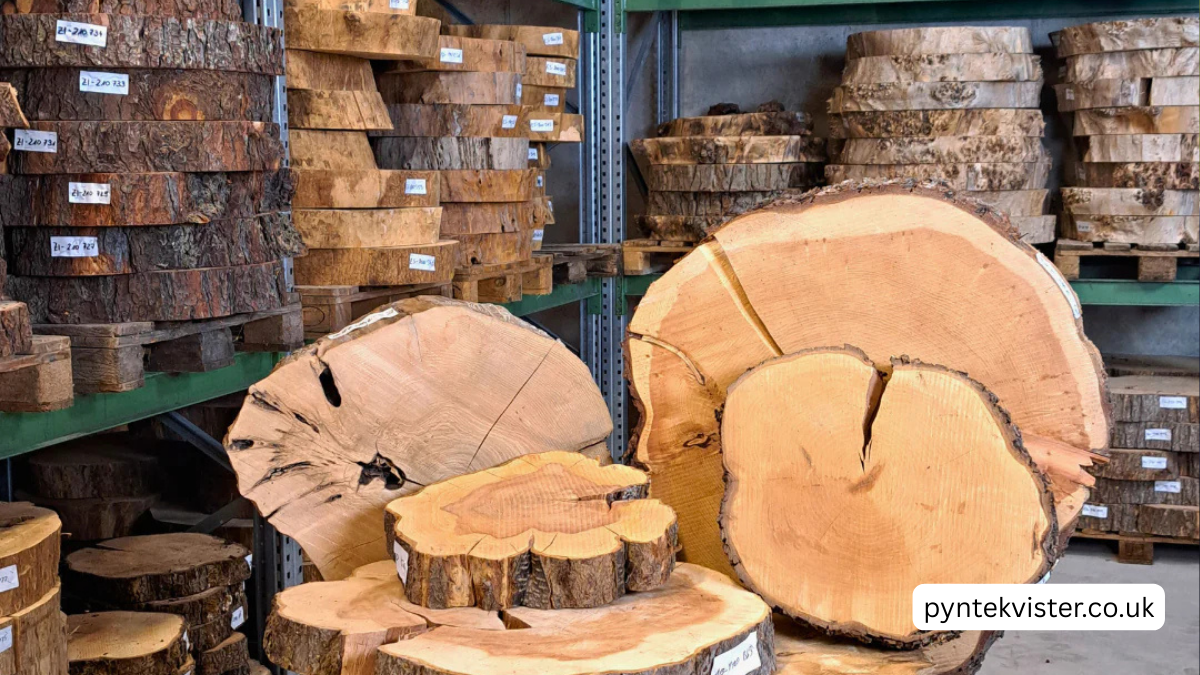

Natural materials have redefined modern design, landscaping, and sustainable living, and few elements capture this shift better than baumscheiben. These cross-sections of tree trunks combine organic texture, durability, and visual warmth, making them increasingly popular across gardening, interior décor, woodworking, and urban planning. What once served mainly practical forestry purposes has evolved into a versatile design feature embraced by homeowners, architects, and environmental planners alike.
This comprehensive authority guide explores everything you need to know about baumscheiben—from their ecological role and production methods to creative applications, maintenance strategies, and future trends. Whether you are a gardener, designer, DIY enthusiast, or sustainability advocate, understanding their full potential reveals why this simple natural element continues gaining global relevance.
What Are Baumscheiben and Why They Matter
Baumscheiben are horizontal slices cut from tree trunks or large branches, preserving visible growth rings that reveal a tree’s history. Traditionally used in forestry education and wood analysis, they have evolved into multifunctional materials valued for aesthetics and sustainability.
Their appeal lies in authenticity. Each piece is unique, displaying natural grain patterns, textures, and organic imperfections that manufactured materials cannot replicate, making them highly desirable in contemporary design and ecological landscaping.
Historical Origins and Traditional Uses
Historically, wood slices were primarily educational tools used to study tree age, climate conditions, and environmental changes. Forest scientists examined growth rings to understand rainfall cycles, drought periods, and ecosystem shifts.
Over time, rural communities began repurposing these slices for functional objects such as stools, chopping surfaces, and rustic decorations. This practical reuse laid the foundation for modern creative applications seen today.
How Baumscheiben Are Produced
Production begins with selecting suitable tree species, typically hardwoods like oak, birch, or beech due to durability and attractive grain structures. Logs are cut perpendicular to the trunk axis to preserve ring patterns and structural stability.
After cutting, the slices undergo drying processes that prevent cracking and warping. Proper kiln drying or controlled air drying ensures long-term usability, especially for indoor furniture or decorative installations.
Wood Species and Their Unique Characteristics
Different tree species dramatically influence appearance, strength, and longevity. Oak provides dense durability, while birch offers lighter tones suited to Scandinavian-inspired interiors.
Softwoods like pine are easier to shape but require sealing for outdoor use. Choosing the right species ensures the baumscheiben perform well in their intended environment.
Ecological Importance in Urban Landscapes
In cities, tree bases often suffer from soil compaction and water loss. Landscapers increasingly use baumscheiben areas—designated ground spaces around trees—to improve soil aeration and water absorption.
These zones protect roots while enhancing urban biodiversity. Properly maintained tree discs help reduce heat island effects and support healthier city ecosystems.
Landscaping Applications and Garden Design
Garden designers use wood slices as stepping stones, edging elements, and decorative focal points. Their natural texture integrates seamlessly into outdoor environments, blending hardscape and plant life.
Placed among gravel, moss, or ground cover plants, baumscheiben create pathways that feel organic rather than engineered, enhancing sensory connection with outdoor spaces.
Interior Design Trends Featuring Natural Wood
Interior designers increasingly favor raw materials that add warmth and authenticity. Wood slices appear as coffee tables, wall art, shelving accents, and centerpiece décor.
Minimalist interiors benefit especially from organic textures. A single well-finished baumscheibe can balance modern furniture by introducing natural contrast and visual depth.
DIY Projects and Creative Craft Ideas
DIY enthusiasts appreciate wood slices for their accessibility and versatility. Popular projects include coasters, candle holders, clocks, and personalized engraved gifts.
Because each piece differs naturally, handmade results feel unique even when following identical project steps. This unpredictability adds emotional value to finished creations.
Furniture Design Using Baumscheiben
Furniture makers transform large trunk slices into statement pieces such as dining tables or benches. Retaining natural edges enhances authenticity while showcasing craftsmanship.
Resin inlays and metal legs often complement the organic surface, merging industrial and natural aesthetics—a hallmark of contemporary furniture design.
Decorative Uses for Events and Celebrations
Event planners frequently use baumscheiben as rustic décor elements for weddings and gatherings. They function as table bases, signage platforms, or centerpiece displays.
Their neutral appearance adapts to multiple themes, from bohemian outdoor ceremonies to elegant minimalist receptions, making them a versatile styling component.
Sustainable Living and Environmental Benefits
Using reclaimed wood slices supports circular resource use by repurposing material that might otherwise become waste. This aligns with growing consumer interest in sustainable design choices.
Additionally, locally sourced wood reduces transportation emissions, reinforcing environmentally responsible practices across construction and décor industries.
Common Misconceptions About Wood Slices
One misconception suggests all wood slices crack easily. In reality, cracking results primarily from improper drying or exposure to extreme humidity changes.
Another myth assumes they require constant maintenance. Proper sealing and occasional care allow baumscheiben to remain durable for years with minimal effort.
Selecting High-Quality Pieces
Quality assessment involves checking moisture levels, surface smoothness, and structural integrity. Well-prepared slices feel stable and show minimal deep fractures.
Buyers should also consider intended use. Outdoor installations require thicker cuts and protective treatments compared to decorative indoor pieces.
Drying and Stabilization Techniques
Air drying preserves natural character but takes months depending on thickness. Kiln drying accelerates the process while reducing insect risks and internal moisture.
Some artisans use stabilization resins to strengthen delicate wood fibers. This process improves durability without compromising visual authenticity.
Surface Finishing Options
Finishing determines both appearance and performance. Natural oils enhance grain visibility, while polyurethane coatings offer stronger protection against moisture and stains.
Matte finishes emphasize organic textures, whereas glossy coatings create dramatic visual depth, particularly for furniture applications.
Maintenance and Long-Term Care
Routine care includes dust removal and periodic resealing, especially for outdoor pieces exposed to rain and sunlight. Avoiding prolonged moisture contact prevents deterioration.
Indoor baumscheiben benefit from stable humidity levels. Maintaining balanced indoor climate conditions reduces expansion and contraction over time.
Outdoor Durability Considerations
Outdoor use demands weather-resistant treatments such as marine-grade sealants or natural protective oils. Elevating slices slightly from soil prevents rot formation.
Proper placement also matters. Partial shade extends lifespan by minimizing UV exposure and temperature fluctuations.
Comparing Wood Species for Different Uses
| Wood Type | Appearance | Durability | Best Use | Maintenance Level |
|---|---|---|---|---|
| Oak | Dark, pronounced grain | Very high | Tables, outdoor décor | Moderate |
| Birch | Light, smooth texture | Medium | Interior décor | Low |
| Pine | Warm, rustic look | Low–medium | Crafts, DIY | Moderate |
| Walnut | Rich dark tones | High | Premium furniture | Low |
| Beech | Uniform grain | High | Functional surfaces | Moderate |
This comparison helps designers and homeowners match material choice with functional requirements.
Cultural Symbolism of Tree Rings
Tree rings symbolize growth, resilience, and passage of time across many cultures. Artists often highlight these rings intentionally, emphasizing storytelling through natural patterns.
Each slice becomes a visual timeline, reminding viewers of nature’s slow, steady development compared to fast-paced modern life.
Baumscheiben in Educational Contexts
Schools and museums use trunk cross-sections to teach ecology, climate science, and environmental awareness. Students learn how environmental conditions influence growth patterns.
These educational applications reinforce sustainability messaging while providing tactile learning experiences rarely achieved through digital materials alone.
The Psychology of Natural Materials
Research in environmental psychology shows natural textures can reduce stress and improve wellbeing. Organic surfaces encourage feelings of calm and connection.
Integrating baumscheiben into living spaces supports biophilic design principles, which emphasize harmony between humans and nature.
Modern Market Trends and Demand Growth
Demand for natural décor has increased alongside sustainability awareness and minimalist aesthetics. Consumers increasingly value authenticity over mass-produced uniformity.
Online marketplaces and artisan platforms have expanded accessibility, allowing small-scale woodworkers to reach global audiences interested in handcrafted pieces.
Professional Landscaping Perspectives
Landscape architects view tree discs as both functional and aesthetic solutions. They protect soil while creating visually cohesive planting areas.
One landscape designer summarized the appeal perfectly: “When design works with nature instead of against it, maintenance decreases while beauty increases.” This philosophy explains growing adoption worldwide.
Safety and Practical Considerations
Heavy wood slices require secure mounting when used as furniture or wall décor. Proper hardware prevents accidents and ensures long-term stability.
Edges may also need sanding to remove splinters, especially in homes with children or pets.
Cost Factors and Budget Planning
Pricing varies based on species, size, drying method, and craftsmanship. Rare woods or stabilized pieces command higher prices due to labor intensity.
DIY preparation offers cost savings but requires time, tools, and patience to achieve professional-quality results.
Customization and Personalization
Laser engraving and carving allow personalization for gifts or branding purposes. Names, dates, and artwork integrate naturally into wood surfaces.
Customized baumscheiben often hold sentimental value, transforming functional objects into meaningful keepsakes.
Integration Into Modern Architecture
Architects increasingly incorporate organic materials into contemporary buildings. Wood slices appear in wall panels, reception desks, and artistic installations.
This blending of raw nature with modern structures creates visual contrast that enhances spatial experience.
Digital Influence and Social Media Inspiration
Platforms focused on visual creativity have accelerated popularity by showcasing DIY tutorials and interior styling ideas. Viral projects inspire widespread experimentation.
As a result, more people discover baumscheiben through creative communities rather than traditional woodworking channels.
Future Innovations and Material Evolution
Emerging technologies combine wood with recycled resins and eco-friendly sealants, improving durability while maintaining sustainability goals.
Innovation continues expanding applications, suggesting wood slices will remain relevant across evolving design trends.
Conclusion
Baumscheiben represent far more than simple wood cuts; they embody sustainability, craftsmanship, and a renewed appreciation for natural materials. Their adaptability allows seamless integration into gardens, homes, educational environments, and architectural projects.
As design trends increasingly prioritize authenticity and ecological responsibility, these natural elements offer timeless relevance. Understanding their properties, care requirements, and creative potential empowers individuals to use baumscheiben thoughtfully and sustainably, ensuring both aesthetic value and environmental respect.
FAQ
What are baumscheiben used for?
Baumscheiben are used in landscaping, furniture making, crafts, décor, and educational displays because their natural rings provide both structural and visual appeal.
How do you prevent baumscheiben from cracking?
Proper drying, sealing, and stable humidity conditions help baumscheiben maintain structural integrity and reduce cracking over time.
Are baumscheiben suitable for outdoor use?
Yes, baumscheiben can be used outdoors when treated with weather-resistant sealants and elevated slightly from soil contact.
Which wood type is best for baumscheiben projects?
Hardwoods like oak or walnut are ideal for durable baumscheiben, while softer woods work well for lightweight decorative projects.
How should baumscheiben be maintained?
Regular cleaning and occasional resealing keep baumscheiben protected and visually appealing for many years.
