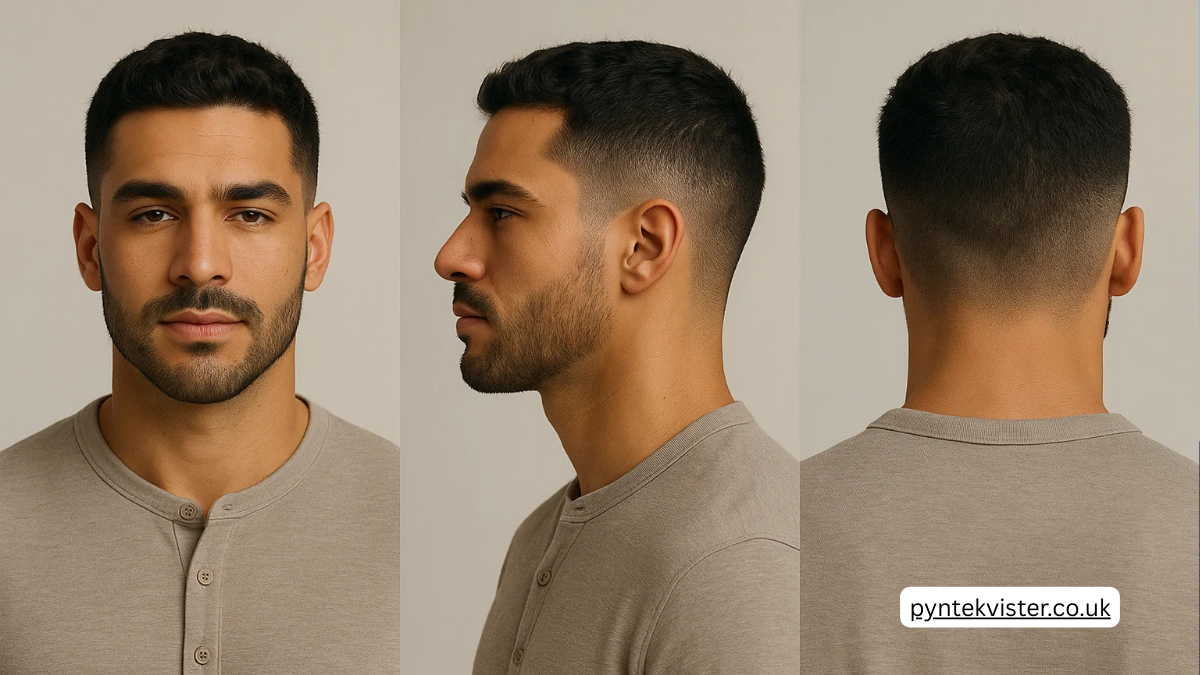

The crew cut is one of the most enduring hairstyles in modern grooming. Known for its clean lines, low maintenance, and timeless appeal, this haircut has remained popular for generations among men who want a polished look without excessive styling. From military roots to modern barbershop adaptations, the style represents practicality, confidence, and effortless masculinity.
Today, the crew cut appears everywhere—from professional workplaces and sports teams to fashion runways and everyday street style. Its versatility allows it to suit different hair textures, face shapes, and personal preferences. This comprehensive guide explores the origins, variations, styling strategies, and grooming techniques that make the crew cut a lasting favorite.
The Origins and History of the Crew Cut
The story of the crew cut begins in the early twentieth century, when university rowing teams in the United States adopted the hairstyle for practical reasons. Athletes needed a haircut that stayed neat under caps and helmets, dried quickly after water exposure, and required little maintenance. The short tapered sides and slightly longer hair on top proved ideal.
During World War II, the style gained broader popularity when soldiers adopted similar haircuts for hygiene and uniformity. Military influence helped spread the look globally, transforming the crew cut from a niche athletic style into a mainstream grooming standard embraced by civilians, professionals, and celebrities.
Why the Crew Cut Remains Popular Today
The continued appeal of the crew cut lies in its simplicity and versatility. Unlike elaborate hairstyles that require daily styling products and time, this haircut offers a naturally tidy appearance with minimal effort. Many people appreciate how it maintains structure even as it grows out slightly.
Another reason the style endures is its adaptability. Barbers can customize the length, fade level, and texture to match individual preferences. Whether someone wants a conservative professional look or a modern textured variation, the crew cut provides a reliable foundation.
Key Characteristics of a Crew Cut
A classic crew cut features shorter sides and back with slightly longer hair on top that gradually tapers toward the crown. The top section is typically cut short enough to stand upright naturally without heavy styling products.
The sides are usually tapered or faded to create clean transitions, giving the haircut its signature athletic appearance. This balance between structure and simplicity makes the style recognizable while allowing barbers flexibility to adjust proportions.
Face Shapes That Suit This Hairstyle
One reason the crew cut remains widely recommended by barbers is its compatibility with different face shapes. The structured top adds subtle height, which can visually elongate round faces while maintaining balance for square or oval features.
For individuals with longer face shapes, slightly shorter top lengths help prevent the haircut from appearing overly tall. Skilled barbers often adjust tapering and texture to create a flattering silhouette tailored to each client.
Hair Types and Texture Considerations
Different hair textures can influence how a crew cut appears once finished. Straight hair tends to stand upright more easily, producing the classic crisp silhouette associated with the style.
Wavy or curly hair creates a slightly softer effect, which can add natural texture and movement to the haircut. With proper tapering and trimming techniques, barbers can shape the style so that curls remain controlled while still maintaining the structured look.
Common Variations of the Crew Cut
Modern barbershop culture has introduced many variations of the crew cut that adapt the traditional look to contemporary tastes. Some versions feature skin fades, textured tops, or slightly longer front sections to create subtle styling flexibility.
These variations maintain the fundamental principles of the haircut while allowing personal expression. The result is a versatile style family that ranges from ultra-minimal military looks to more fashion-forward interpretations.
Classic vs Modern Crew Cut Styles
The traditional crewcut typically features uniform length on top and a gradual taper on the sides. This version emphasizes practicality and neatness, making it ideal for professional environments or individuals who prefer a timeless aesthetic.
Modern interpretations often introduce texture, fade techniques, or slightly longer fringe sections. These subtle changes add dimension and personality while maintaining the low-maintenance character that defines the haircut.
Crew Cut vs Buzz Cut Comparison
Many people confuse the crew cut with a buzz cut because both hairstyles involve short hair and simple maintenance. However, the two styles differ in structure and overall appearance.
The buzz cut is typically the same length across the entire head, whereas the crew cut maintains longer hair on top with tapered sides. This difference gives the crew cut more shape and styling versatility.
| Feature | Crew Cut | Buzz Cut |
|---|---|---|
| Top Length | Slightly longer | Uniform |
| Side Length | Tapered or faded | Same length |
| Styling Options | Moderate | Minimal |
| Maintenance | Low | Very low |
| Overall Shape | Structured | Uniform |
Barber Techniques Behind the Style
Creating a high-quality crewcut requires precision cutting techniques. Barbers typically start by trimming the top to the desired length using scissors or clippers, ensuring even texture and balanced proportions.
The sides and back are then tapered using clipper guards or fading techniques. Skilled barbers blend these sections carefully to create a smooth transition between lengths while maintaining the crisp outline that defines the style.
Maintenance and Grooming Routine
Maintaining a crewcut is relatively simple compared with longer hairstyles. Regular trims every three to four weeks help preserve the clean lines and balanced proportions that make the haircut look sharp.
Daily maintenance usually involves minimal effort. A quick wash, light towel drying, and optional styling product such as matte pomade or light wax can enhance texture while keeping the hairstyle natural and controlled.
Styling Products That Work Best
Although the crew cut requires little styling, the right products can subtly enhance its appearance. Lightweight pomades or matte pastes provide gentle hold without weighing down the short hair.
For individuals with thicker hair, a small amount of styling cream can help control volume while maintaining the natural upright shape. The key is moderation, since the haircut is designed to look clean and effortless rather than overly styled.
Professional and Workplace Appeal
One reason many professionals choose the crew cut is its ability to project a clean and disciplined appearance. The haircut communicates organization and attention to grooming without appearing overly trendy or distracting.
In corporate settings where polished presentation matters, the style fits comfortably alongside formal attire. Its understated design ensures it remains appropriate across industries ranging from finance to technology.
Cultural Influence and Media Presence
Over the decades, the crew cut has appeared in films, sports culture, and fashion media. Actors, athletes, and public figures have embraced the haircut as a symbol of strength, confidence, and practicality.
Its presence in popular culture helped transform the haircut from a purely functional style into a fashion statement. Today, it continues to appear in editorial photography and grooming campaigns worldwide.
Common Misconceptions About the Style
A common myth about the crewcut is that it looks the same on everyone. In reality, barbers adjust lengths, fades, and textures to suit each person’s hair type and facial structure.
Another misconception is that the style is outdated. Modern variations demonstrate how adaptable the haircut can be, proving that classic grooming techniques remain relevant when paired with contemporary styling approaches.
Grooming Experts’ Perspective
Professional barbers often highlight the enduring practicality of the crew cut. As one experienced stylist explains, “A well-executed short haircut is about balance and proportion—when those elements align, the result looks sharp without trying too hard.”
This philosophy explains why the haircut remains a barbershop staple. It reflects a grooming approach centered on simplicity, structure, and timeless design.
Conclusion
The crew cut continues to stand out as one of the most reliable and adaptable hairstyles available. Its combination of practicality, clean aesthetics, and low maintenance makes it appealing across generations and professions.
Whether someone wants a classic athletic look or a modern textured interpretation, the haircut offers flexibility without sacrificing simplicity. For anyone seeking a hairstyle that balances timeless style with everyday practicality, the crew cut remains a confident choice.
FAQ
What is a crew cut hairstyle?
A crew cut is a short hairstyle featuring tapered sides and slightly longer hair on top, creating a clean, structured appearance that requires minimal styling.
How often should you trim a crew cut?
Most people maintain a crew cut by visiting the barber every three to four weeks to keep the sides neat and the top balanced.
Is a crew cut good for thin hair?
Yes, a crew cut can work well for thin hair because the shorter length creates the illusion of fuller density and avoids flat styling.
Can curly hair have a crew cut?
Curly hair can absolutely suit a crew cut, especially when the barber adjusts the top length to maintain shape while controlling volume.
Is a crew cut professional for work?
Many professionals choose a crew cut because its clean, conservative style looks polished and appropriate in most workplace environments.
