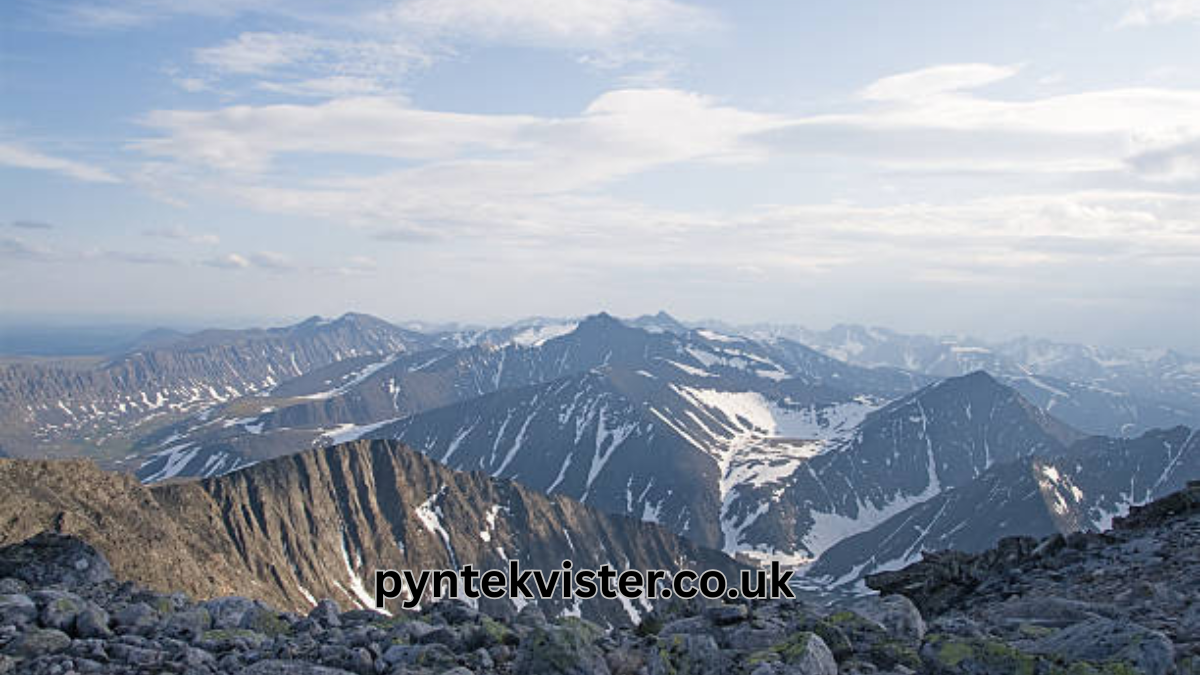

The Ural Mountains, often referred to as the natural divide between Europe and Asia, are one of the most historically and geographically significant mountain ranges in the world. Stretching over 2,500 kilometers through western Russia, the Urals are not just a physical boundary but a cultural and ecological treasure. These mountains have witnessed centuries of human history, from the ancient indigenous peoples to the development of Russia’s mineral-rich industrial hubs.
Beyond their historical relevance, the Urals are renowned for their breathtaking landscapes. Towering peaks, lush forests, and serene rivers create a haven for nature enthusiasts, adventurers, and photographers alike. Unlike many other mountain ranges, the Urals are relatively accessible, making them an attractive destination for both domestic and international travelers. Exploring the Urals is like stepping into a world where natural beauty meets centuries of culture, offering experiences ranging from wildlife observation to winter sports, and from hiking rugged trails to discovering local traditions.
For those who seek adventure, the Urals provide trails of varying difficulty, from easy paths ideal for beginners to challenging climbs for seasoned trekkers. The combination of geological diversity, ecological richness, and cultural heritage makes the Ural Mountains a truly unique destination. In this article, we’ll take you through every facet of the Urals—from their geography and wildlife to cultural history and travel opportunities—ensuring you understand why these mountains are one of Russia’s most treasured natural wonders.
Geography and Formation of the Ural Mountains
The Ural Mountains stretch from the Arctic Ocean in the north to the Ural River and northwestern Kazakhstan in the south. This mountain range acts as a natural border between Europe and Asia, effectively dividing two continents. Despite being less rugged than the Himalayas or the Rockies, the Urals are rich in geological diversity. They are composed of ancient rock formations, some dating back over 250 million years, which include granite, basalt, and sedimentary layers.
Geologically, the Urals were formed during the Uralian orogeny, a series of tectonic events that folded and uplifted these rocks millions of years ago. The mountains are considered relatively low, with the highest peak, Mount Narodnaya, rising to 1,895 meters. However, their significance is not in height alone but in their sheer diversity of landscapes, from jagged cliffs to rolling hills. Numerous rivers, such as the Pechora and the Ural River, originate here, supporting thriving ecosystems and providing water for the surrounding regions.
The valleys and plateaus within the range host fertile lands and dense forests, creating a striking contrast with the rocky peaks. The Ural Mountains are divided into three main sections: the Northern, Central, and Southern Urals, each with unique characteristics. The Northern Urals are rugged and sparsely populated, the Central Urals are lower and more forested, and the Southern Urals are rich in mineral resources and dotted with small towns and villages. This combination of geography and geology has made the Urals a hub for exploration, science, and adventure.
Flora and Fauna
The Ural Mountains are home to a wide array of plant and animal life, making them an ecological hotspot. The region features distinct vegetation zones, ranging from tundra in the north to mixed forests and steppe in the south. Taiga forests, consisting primarily of pine, spruce, and fir trees, dominate much of the central Urals. These forests provide shelter to a variety of wildlife, creating a balanced ecosystem that has remained relatively undisturbed by human activity in many areas.
Wildlife in the Urals is abundant, with species ranging from large mammals like brown bears, elk, and lynxes to smaller animals such as foxes and squirrels. Birdlife is equally diverse, with species such as owls, eagles, and woodpeckers inhabiting the forests. Rivers and lakes support aquatic life, including fish species that are vital for local communities. Certain regions of the Urals are known for rare or endangered species, emphasizing the importance of conservation efforts in these areas.
The Ural Mountains also serve as an important corridor for migration and biodiversity. Many species move between the European and Asian parts of Russia, making the Urals a critical ecological bridge. For nature enthusiasts, this means that every hike or expedition can reveal a new species, from vibrant wildflowers in spring to elusive animals tracked in the snow during winter. The rich flora and fauna contribute not only to the region’s natural beauty but also to its ecological and scientific significance.
Cultural and Historical Significance
The Ural Mountains have long been home to various indigenous groups, including the Mansi, Khanty, and Bashkir peoples. These communities have preserved unique languages, traditions, and folklore that reflect a deep connection to the land. The mountains provided natural protection, resources, and spiritual inspiration for generations, shaping cultural practices and beliefs that persist today.
Historically, the Urals became a center of mining and industrial activity in Russia. Rich deposits of iron, copper, gold, and precious stones fueled economic development and attracted settlers from across the country. Mining towns like Yekaterinburg and Perm emerged as key industrial hubs, combining natural resources with human ingenuity. Over centuries, the mountains also witnessed battles, exploration, and trade routes that contributed to the broader history of Russia and Eurasia.
Cultural tourism in the Urals allows travelers to explore traditional villages, historic sites, and local craftsmanship. Visitors can experience folk festivals, taste regional cuisine, and learn about ancient customs. The combination of indigenous culture, industrial heritage, and historical events makes the Ural Mountains a place where past and present coexist, offering both educational and immersive experiences for anyone visiting this unique region.
Travel and Adventure in the Ural Mountains
The Ural Mountains offer numerous opportunities for outdoor adventure and exploration. Hiking is one of the most popular activities, with trails suited for all skill levels. From gentle paths along river valleys to challenging climbs in the Northern Urals, trekkers can experience diverse landscapes while enjoying fresh air and scenic vistas. Local guides are often available to ensure safe and informative expeditions.
Winter transforms the Urals into a playground for snow sports. Ski resorts such as Abzakovo provide downhill skiing, snowboarding, and cross-country trails. Winter enthusiasts can also enjoy ice fishing, snowshoeing, and observing wildlife tracks in the snow. The region’s cold climate and snow cover create unique opportunities for adventure tourism, making it attractive throughout the year.
For those interested in culture, the Urals offer local cuisine and traditions that complement outdoor activities. Visitors can sample regional dishes like pelmeni, stroganina, and honey-based desserts, often prepared using traditional recipes. Photography is another popular activity, as the mountains’ diverse landscapes—from dense forests to rocky peaks—provide endless inspiration for both amateur and professional photographers.
Conservation and Environmental Concerns
Despite its natural beauty, the Ural Mountains face environmental challenges. Deforestation, mining, and industrial pollution threaten the delicate ecosystems. Efforts have been made to protect significant areas through the creation of national parks and nature reserves, such as Basegi Nature Reserve and Taganay National Park. These protected zones help conserve flora, fauna, and geological formations, allowing species to thrive in their natural habitat.
Sustainable tourism is increasingly promoted to reduce human impact on the environment. Visitors are encouraged to follow guidelines, such as staying on marked trails, avoiding littering, and respecting local wildlife. Conservation initiatives also focus on educating communities about the importance of maintaining ecological balance, ensuring that the Ural Mountains remain a sustainable destination for future generations.
The combination of natural beauty, ecological diversity, and cultural heritage makes environmental preservation crucial. By understanding and supporting conservation efforts, travelers can contribute to the long-term protection of this invaluable region.
Conclusion
The Ural Mountains are more than a physical landmark; they are a symbol of nature, history, and culture. From rugged peaks and dense forests to historic towns and indigenous traditions, the Urals offer something for every traveler. Their ecological diversity and geological significance make them a natural laboratory for scientists and explorers, while their scenic beauty attracts adventurers and photographers from around the world.
Exploring the Urals allows visitors to experience a unique blend of Europe and Asia in one journey. Whether you are trekking through remote valleys, skiing down snowy slopes, or immersing yourself in local culture, the Ural Mountains promise unforgettable experiences. Preserving this mountain range is essential, and responsible tourism ensures that its beauty, wildlife, and heritage endure for generations to come.
FAQs
What is the highest peak in the Ural Mountains?
Mount Narodnaya, at 1,895 meters, is the tallest peak in the Urals.
Are the Ural Mountains safe for solo travelers?
Yes, with proper preparation and guidance, solo travelers can explore many areas safely.
Which season is best to visit the Urals?
Summer and early autumn offer the best weather for hiking, while winter is ideal for snow sports.
What wildlife can I expect to see in the Urals?
Expect to see bears, lynxes, elk, foxes, and a variety of bird species.
How do the Urals divide Europe and Asia geographically?
The Ural Mountains act as a natural boundary, with Europe to the west and Asia to the east.
Also Read: blume heat erfahrungen
